
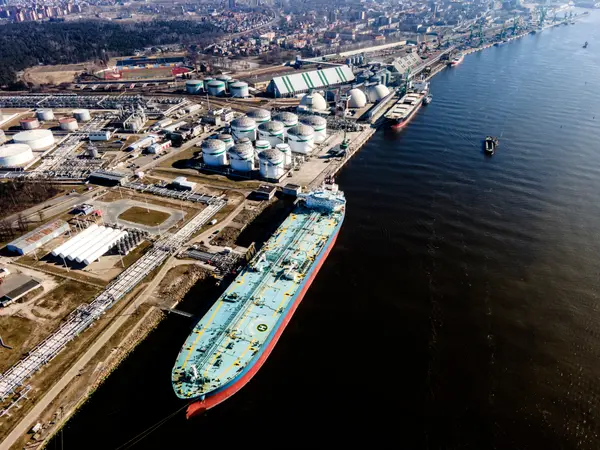
Geopolitical Tensions Fuel the Desire for Energy Independence
When oil and gas prices rise, so does the desire for independence — and with it, demand for solar-electric heating solutions. What the current crisis reveals about purchasing behavior — and why heat generated from (surplus) solar power is the smartest lever.
The geopolitical turmoil in the Middle East is leaving a clear mark on energy markets — and is noticeably changing the behavior of households and energy communities. Rising gas and oil prices are acting as a direct catalyst for a question many people have been asking for some time: How independent can I become from fossil fuels and volatile energy sources?
Markus Gundendorfer, Head of Sales DACH and shareholder at my-PV, observes a nuanced picture. Small investments in greater energy independence are being implemented quickly, while major decisions — such as purchasing real estate — are being postponed for the time being.
"Il mio compito principale è guidare l'internazionalizzazione oltre la regione DACH. Per attrarre i migliori talenti per la crescita continua di my-PV, ottimizzerò ulteriormente la nostra struttura organizzativa e migliorerò significativamente l'attrattiva dell'azienda come datore di lavoro."
Philipp Baumgartner, Direttore Generale delle Operazioni Commerciali, my-PV

One particularly noticeable trend at the moment: balcony PV systems are being ordered and installed at short notice. Their low entry barrier makes them the ideal first step into self-generated electricity — even for tenants. At the same time, optimizing existing PV systems is becoming increasingly important: those who already own a system now want to maximize its potential.
E-Mobility and Energy Communities on the Rise
Rising fuel prices are also giving new momentum to the electric vehicle market — a development that aligns perfectly with the growing number of PV systems on residential rooftops. Anyone who can charge their vehicle using self-generated solar electricity becomes twice as independent from fossil fuel price fluctuations.
Since March 2026, energy communities have faced an urgent challenge once again: there is simply too much PV electricity available, while meaningful consumers for this surplus energy are lacking. Gundendorfer sees clear winners here: domestic hot water and space heating used as thermal storage systems can absorb surplus energy flexibly, easily, and economically — whenever it occurs.
District Heating Discovers Surplus Solar Power
A new dynamic is also emerging among district heating providers: they are increasingly recognizing the potential of integrating low-cost surplus electricity from PV systems during summer months to supplement heat supply economically. With controllable heating solutions, my-PV addresses exactly this interface.
“Crises create awareness. And the realization that a well-utilized PV system can provide genuine energy independence is the best thing that can happen — for our customers and for the energy transition.”
Markus Gundendorfer · Head of Sales DACH & Shareholder, my-PV GmbH
Why Solar-Electric Heat Makes Sense
Heating is the largest energy consumer in households — and at the same time the easiest lever for increasing self-consumption. Solar-electric solutions such as the AC•THOR, AC•THOR 9s, and AC ELWA 2 use PV surplus exactly where it creates the greatest value: within the home, for domestic hot water and/or heating systems. The advantages speak for themselves.
Turning Crisis into Opportunity — for Climate Protection and Independence
Geopolitical tensions are a painful wake-up call — but also an accelerator for the energy and heating transition. Those who invest in solar-electric heating now are not only protecting themselves against short-term price shocks, but are also laying the foundation for long-term energy independence. The technology already exists, the return on investment is attractive, and the timing has rarely been better.
With the AC ELWA 2, AC•THOR, and AC•THOR 9s, my-PV offers solutions that operate precisely within this field of tension: economically beneficial for users, grid-supportive for the energy system, and emission-free for the climate.
In addition, the photovoltaic heating expert also offers a completely autonomous solution that represents the simplest and most cost-efficient retrofit option for generating heat from solar electricity: the SOL•THOR. Combined with just three PV modules, it can already cover 50% of the annual domestic hot water demand of a two-person household. This is what affordable energy independence looks like.
Non perdere nulla!
Registrati ora alla nostra newsletter!
La newsletter alimentata dall'energia solare con molti vantaggi per te!
Ulteriori notizie
Azienda
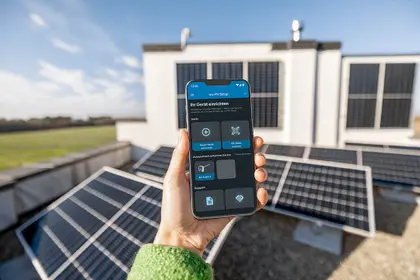
La nuova app my-PV Setup semplifica la messa in servizioLa nuova app “my-PV Setup” rileva i dispositivi sulla rete locale e semplifica la messa in servizio delle soluzioni my-PV.
Leggi di più...
Partner
È stata ampliata la compatibilità con Carlo GavazziLa compatibilità con Carlo Gavazzi, un partner di lunga data di my-PV, ora include ulteriori contatori di energia elettrica.
Leggi di più...
Partner
my-PV ora ufficialmente integrato in Home Assistant Coremy-PV è integrato in Home Assistant Core per gestire in modo intelligente il riscaldamento solare.
Leggi di più...
Partner
Nuovo Partner di Compatibilità: DeyeI prodotti my-PV sono ora compatibili con gli inverter Deye, in forte crescita in Europa.
Leggi di più...
Partner
my-PV è ora compatibile con Janitzamy-PV ora integra i misuratori Janitza - dispositivi comprovati dalla tecnologia di misurazione energetica professionale.
Leggi di più...
Referenze
Acqua calda solare-elettrica in una casa bifamiliareCasa bifamiliare in NRW utilizza il suo sistema PV da 24,75 kWp con smart home senza cloud e AC ELWA 2 per l'acqua calda.
Leggi di più...